 (1).webp)
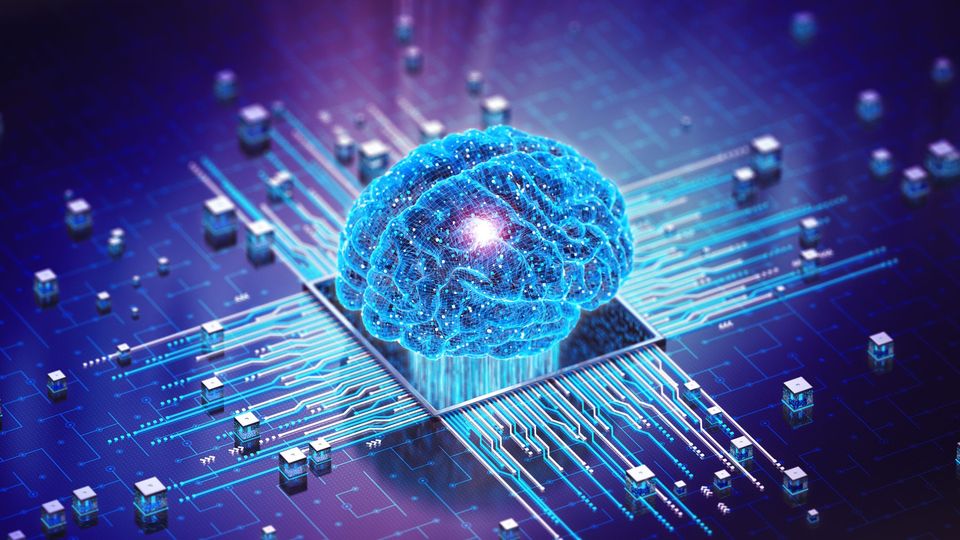
The Future of Brain-AI Integration: How Human Intelligence and Artificial Intelligence Could Work Together
The Future of Brain-AI Integration
The relationship between the human brain and artificial intelligence is evolving faster than ever before. While AI has already transformed industries and everyday life, the next frontier is brain-AI integration. Scientists and technology companies are researching ways to connect the human brain directly with intelligent computer systems, creating new possibilities for communication, healthcare, education, and cognitive enhancement.
Although many of these technologies are still developing, brain-AI integration has the potential to redefine how humans interact with machines and process information in the coming decades.
What Is Brain-AI Integration?
Brain-AI integration refers to the connection between the human brain and artificial intelligence through advanced technologies such as brain-computer interfaces (BCIs). These systems capture brain signals, interpret them using AI algorithms, and convert them into meaningful actions or digital commands.
Instead of relying on keyboards, touchscreens, or voice commands, future technologies may allow users to interact with computers simply by thinking.
How Brain-Computer Interfaces Work
Brain-computer interfaces use sensors to detect electrical activity generated by neurons. AI systems analyze these signals in real time and translate them into commands.
The general process includes:
- Recording brain activity
- Processing neural signals with AI
- Identifying patterns linked to specific thoughts or intentions
- Executing digital actions based on those patterns
As AI models continue to improve, these systems are becoming faster, more accurate, and more adaptable.
Potential Applications of Brain-AI Integration
Revolutionizing Healthcare
Healthcare is expected to benefit significantly from brain-AI integration. Future systems may help restore communication for individuals with neurological disorders or physical disabilities.
Possible applications include:
- Assisting patients with paralysis
- Restoring communication abilities
- Supporting stroke rehabilitation
- Monitoring neurological diseases
- Enhancing prosthetic limb control
These innovations could improve quality of life for millions of people worldwide.
Enhancing Learning and Memory
Brain-AI integration may transform education by creating personalized learning experiences based on real-time brain activity.
Potential benefits include:
- Faster knowledge acquisition
- Personalized learning strategies
- Improved memory retention
- Adaptive educational content
- Better concentration during study sessions
Rather than replacing education, AI could optimize how individuals learn.
Improving Human Productivity
Future professionals may use brain-AI systems to interact with software more efficiently.
Possible improvements include:
- Hands-free computer control
- Faster communication
- Instant information retrieval
- Improved multitasking
- Enhanced workplace efficiency
This could significantly change how people perform complex tasks across various industries.
Advancing Scientific Research
Brain-AI integration also provides researchers with new opportunities to study human cognition.
Scientists may gain deeper insights into:
- Memory formation
- Decision-making
- Emotional processing
- Learning mechanisms
- Neurological disorders
These discoveries could lead to breakthroughs in neuroscience and medicine.
Challenges of Brain-AI Integration
Despite its promise, brain-AI integration faces several significant challenges.
Privacy Concerns
Brain data is among the most sensitive forms of personal information. Protecting neural data from unauthorized access will be essential.
Strong security measures and transparent regulations will be necessary to ensure user trust.
Ethical Questions
Brain-AI integration raises important ethical issues, including:
- Who owns neural data?
- How should brain information be protected?
- Could AI influence human thoughts or decisions?
- How can equal access to these technologies be ensured?
Addressing these questions will require collaboration between scientists, policymakers, and technology companies.
Technical Limitations
Current brain-computer interfaces still face several technical obstacles, including:
- Limited signal accuracy
- High development costs
- Complex hardware requirements
- Long-term reliability challenges
- User adaptation and training
Ongoing research aims to overcome these limitations and make the technology more practical.
Will Brain-AI Integration Increase Human Intelligence?
Brain-AI integration is unlikely to replace natural intelligence. Instead, it may serve as an extension of human cognitive abilities.
Future systems could help individuals process information more efficiently, retrieve knowledge more quickly, and communicate more effectively while leaving creativity, emotional intelligence, and conscious reasoning under human control.
The goal is likely to be collaboration rather than replacement.
The Future of Human-AI Collaboration
As AI becomes increasingly sophisticated, collaboration between humans and intelligent systems will likely become more seamless.
Future innovations may include:
- Real-time language translation through neural interfaces
- AI-assisted memory support
- Faster interaction with digital devices
- Personalized cognitive assistants
- More accessible technology for people with disabilities
These developments could reshape education, healthcare, communication, and professional work.
Yorumlar