 (1).webp)
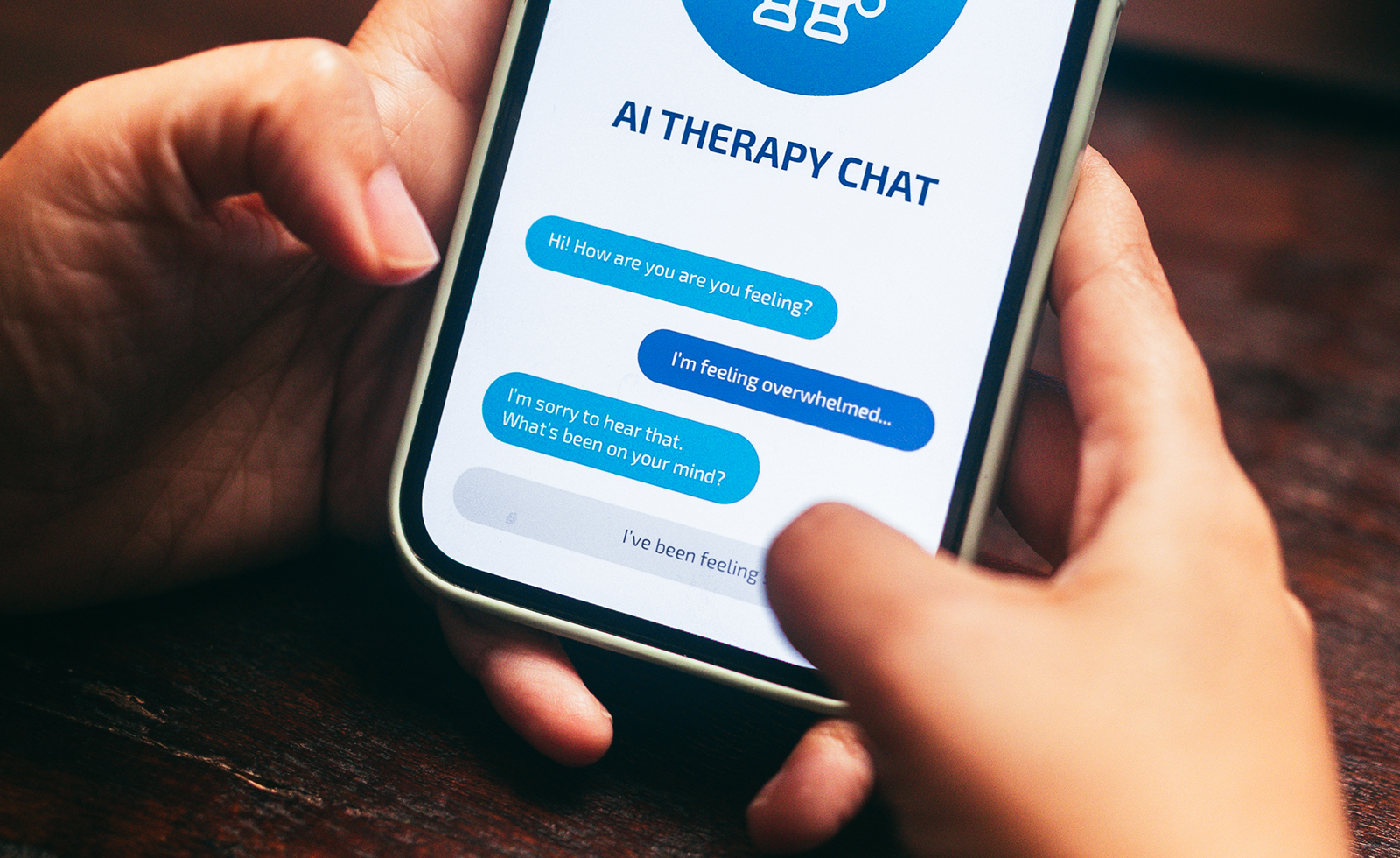
How Chatbots Affect Human Behavior: Psychological, Social, and Cognitive Impacts
Chatbots have become a common part of modern digital life. They are used in customer service, education, healthcare, entertainment, and personal productivity. As these systems become more advanced and human-like, they are not only changing how people access information but also how they behave, think, and communicate.
Understanding how chatbots affect human behavior is important for recognizing both their benefits and their long-term psychological and social impact.
How Chatbots Influence Communication Patterns
Chatbots are designed to simulate natural conversation. This makes interactions faster and more comfortable compared to traditional interfaces like forms or search engines.
As a result, people begin to:
- Prefer conversational interfaces over manual searching
- Expect instant responses in communication
- Use shorter, more direct language
- Rely on automated systems for everyday questions
This shift is gradually changing how humans communicate with both machines and other people.
The Impact on Decision-Making
Chatbots often provide suggestions, recommendations, or direct answers. Over time, users may start to rely on these outputs when making decisions.
This can lead to:
- Faster but less reflective decision-making
- Increased trust in automated recommendations
- Reduced tendency to compare multiple options independently
- Greater reliance on AI for problem-solving
While this improves efficiency, it may also reduce critical thinking in some situations.
Emotional Effects and Human Attachment
Modern chatbots are designed to feel more natural and engaging. Some even use empathetic language, humor, and personalization.
Because of this, users may:
- Feel emotionally understood by AI systems
- Develop trust or attachment to chatbots
- Prefer chatbot interaction over human interaction in certain cases
- Experience comfort when interacting with non-judgmental systems
However, this emotional engagement is one-sided, as chatbots do not experience real emotions.
Cognitive Offloading and Reduced Mental Effort
One of the most significant behavioral changes caused by chatbots is cognitive offloading. This refers to the habit of relying on external systems instead of internal memory and reasoning.
Examples include:
- Asking chatbots to remember information
- Using AI for quick explanations instead of learning deeply
- Delegating problem-solving tasks
- Relying on chatbot-generated summaries
While this reduces mental effort, it may also weaken memory retention and independent reasoning over time.
Effects on Learning and Information Processing
Chatbots have changed how people learn and process information. Instead of searching multiple sources, users often ask a single question and accept the answer provided.
This leads to:
- Faster access to knowledge
- Reduced deep research behavior
- Preference for simplified answers
- Less engagement with complex information
The convenience is valuable, but it may affect long-term learning depth.
Social Behavior Changes
As chatbot interactions become more common, they also influence social behavior:
- Reduced patience for human conversation delays
- Expectation of instant replies in messaging apps
- Increased comfort with digital communication over face-to-face interaction
- Potential decline in interpersonal communication skills in some users
These changes highlight how technology can reshape social expectations.
Benefits of Chatbots on Human Behavior
Despite concerns, chatbots also offer many positive effects:
- Improved accessibility to information
- Reduced workload in repetitive tasks
- Faster problem-solving
- Support for mental organization and planning
- Increased efficiency in communication
When used properly, chatbots can enhance productivity and reduce stress.
Risks and Challenges
The behavioral risks associated with chatbot usage include:
- Overdependence on automated responses
- Decline in critical thinking and analysis skills
- Reduced human-to-human interaction
- Emotional over-reliance on AI systems
- Information accuracy issues depending on the system
Awareness of these risks is essential for balanced usage.
The Future of Human-Chatbot Interaction
As chatbots become more intelligent and personalized, their influence on human behavior will increase. Future systems may better understand emotions, context, and intent, making interactions even more natural.
This evolution will likely deepen the integration between humans and AI systems, making behavioral adaptation even more significant.
Yorumlar